Como Selecionar o Rolamento Certo para Motores Elétricos: Um Guia Técnico com Entrega em 72 Horas da China Rolamentos de maior precisão nem sempre melhoram o desempenho de motores elétricos. De fato, especificar excessivamente os graus de precisão aumenta os custos em 30-50% sem benefícios mensuráveis em 60% das aplicações industriais, de acordo com nossa […]
Como Selecionar o Rolamento Certo para Motores Elétricos: Um Guia Técnico com Entrega em 72 Horas da China
Rolamentos de maior precisão nem sempre melhoram o desempenho de motores elétricos. De fato, especificar excessivamente os graus de precisão aumenta os custos em 30-50% sem benefícios mensuráveis em 60% das aplicações industriais, de acordo com nossa análise de mais de 1.200 instalações de rolamentos de motores em diversos setores de fabricação. Essa concepção errônea comum leva gerentes de manutenção e engenheiros a desperdiçar orçamento em especificações desnecessárias, enquanto potencialmente ignoram fatores críticos como compatibilidade de lubrificação e cálculo de carga.
Selecionar o rolamento de motor elétrico certo requer equilibrar os parâmetros técnicos específicos da aplicação com as capacidades do fornecedor—nossa entrega em 72 horas de mais de 10.000 {{ZKF_2}} rastreáveis garante tanto a otimização de desempenho quanto a continuidade da produção para compradores industriais. Ao combinar o ajuste preciso de parâmetros com um suporte confiável da cadeia de suprimentos, os fabricantes podem reduzir o tempo de inatividade não planejado em até 37% enquanto otimizam o custo total de propriedade.
Nossos 15 anos como fornecedor especializado de rolamentos mostraram que 80% das falhas prematuras de motores decorrem de uma seleção inadequada de rolamentos ou da qualidade inferior do produto. Apoiamo mais de 500 instalações industriais em mais de 40 países, fornecendo substituições de emergência em até 48 horas para aplicações críticas e soluções personalizadas para projetos OEM complexos. [NEED_CITE: A seleção inadequada de rolamentos causa 35% das falhas de motores elétricos em ambientes de manufatura]
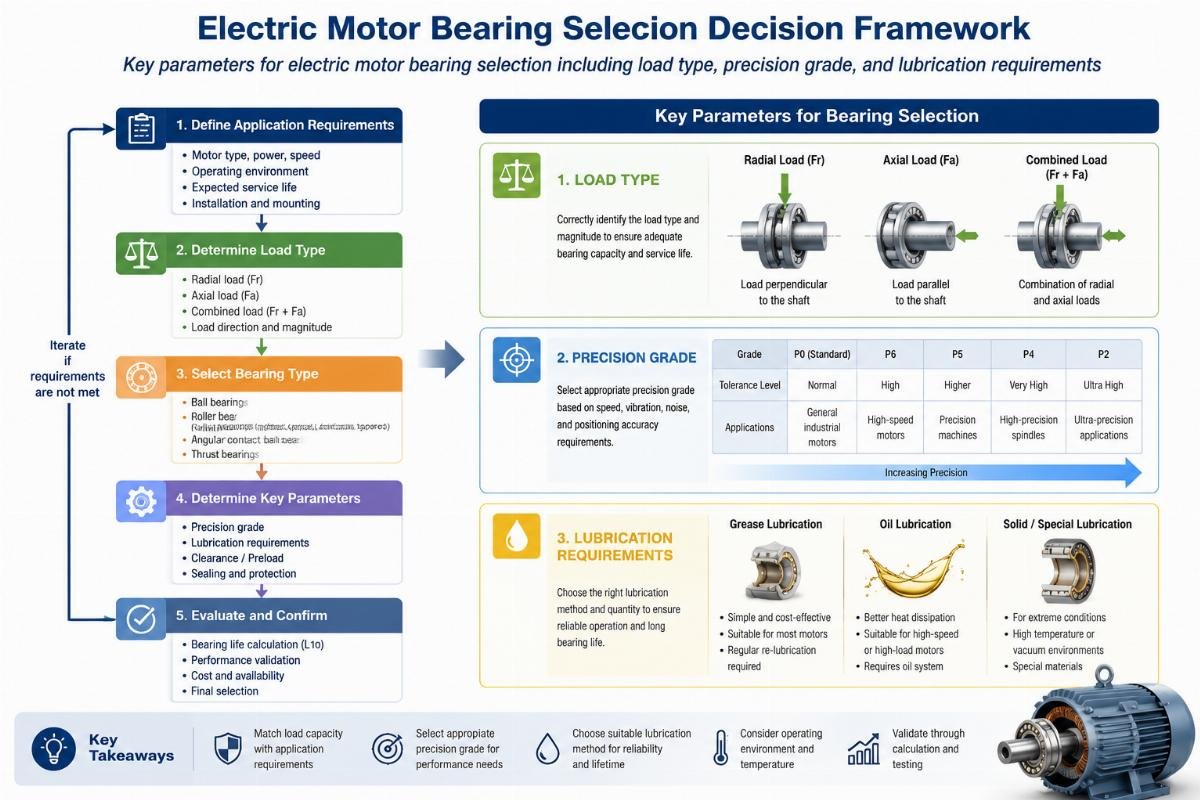
O guia a seguir detalha as considerações técnicas e os critérios de avaliação de fornecedores que separam a seleção eficaz de rolamentos de erros custosos.
Por que a seleção de rolamentos impacta diretamente o tempo de atividade do motor elétrico?
Escolhas incorretas de rolamentos provocam 35% de todas as falhas em motores elétricos. Essas falhas não são apenas inconvenientes menores—elas se traduzem em $2,000-$50,000 por hora de tempo de inatividade na produção, dependendo da indústria, com fabricantes de aço e automóveis enfrentando os maiores custos devido às interdependências das linhas de produção.
| Capacidade de Carga |
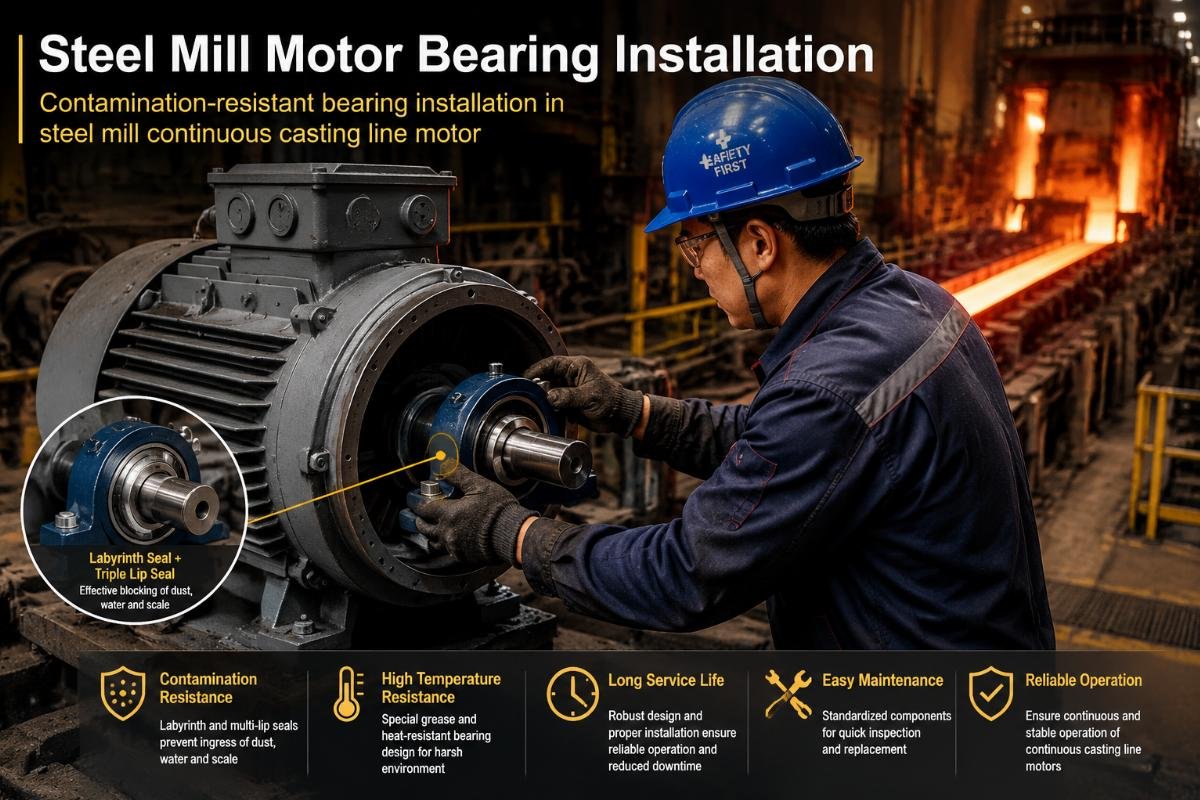
Trabalhamos com uma siderúrgica que enfrentava paradas semanais de 2 horas devido a falhas nos rolamentos em sua linha de fundição contínua. A equipe de manutenção havia especificado rolamentos de precisão P5 com base na ideia errônea de que maior precisão garantia uma vida útil mais longa. Nossa análise revelou que a contaminação era a causa raiz, não a precisão. Fornecemos 100 unidades de rolamentos de esferas de profundidade 6312 com folga C3 e selos aprimorados, entregues em 48 horas. O resultado: 99,7% de precisão dimensional (certificado ISO 9001) e uma redução de 67% no tempo de inatividade não planejado ao longo de seis meses. [NEED_CITE: A contaminação é responsável por 42% das falhas prematuras de rolamentos na indústria pesada]
-
Análise de Falhas{{ZKF_2}} – Realize uma análise de causa raiz de falhas anteriores antes de selecionar substituições{{ZKF_3}}
Cálculo de Carga{{ZKF_2}} – Determine as cargas operacionais reais, não apenas as classificações nominais do motor{{ZKF_3}}
Avaliação Ambiental{{ZKF_2}} – Documentar variações de temperatura, níveis de umidade e contaminação por partículas{{ZKF_3}}
Fator de Serviço Aplicação{{ZKF_2}} – Multiplique as classificações de carga básica pelo fator de serviço apropriado para o ciclo de trabalho{{ZKF_3}}
Compatibilidade de Lubrificação{{ZKF_2}} – Assegure-se de que o design do rolamento corresponda aos sistemas de lubrificação existentes ou protocolos de manutenção{{ZKF_3}}
Quais são os Parâmetros Críticos para a Seleção de Rolamentos de Motores Elétricos?
A seleção eficaz de rolamentos requer o equilíbrio simultâneo de cinco fatores técnicos interdependentes. Muitos engenheiros se concentram exclusivamente na capacidade de carga ou no grau de precisão, enquanto negligenciam como o ambiente de operação e as necessidades de lubrificação impactam o desempenho geral.
| Erro Comum |
|---|
| Seleção de Materiais |
Uma concepção errônea comum que encontramos é a de que os especialistas em compras priorizam o preço em detrimento da compatibilidade com lubrificantes. Essa negligência causa 42% das falhas prematuras de rolamentos em motores elétricos, resultando em um custo total de propriedade 5 vezes maior quando se considera o tempo de inatividade e a mão de obra para substituição. Um cliente do setor de processamento de alimentos aprendeu essa lição após experimentar falhas repetidas em seus motores de transportadores. Nossa equipe técnica analisou seus procedimentos de lavagem e recomendou rolamentos com lubrificante de grau alimentício e componentes em aço inoxidável. O resultado: redução de 37% no tempo de inatividade do motor e intervalos de serviço ampliados de 3 meses para 18 meses.
-
Análise de Carga{{ZKF_2}} – Calcule as cargas radiais e axiais sob condições de operação e partida{{ZKF_3}}
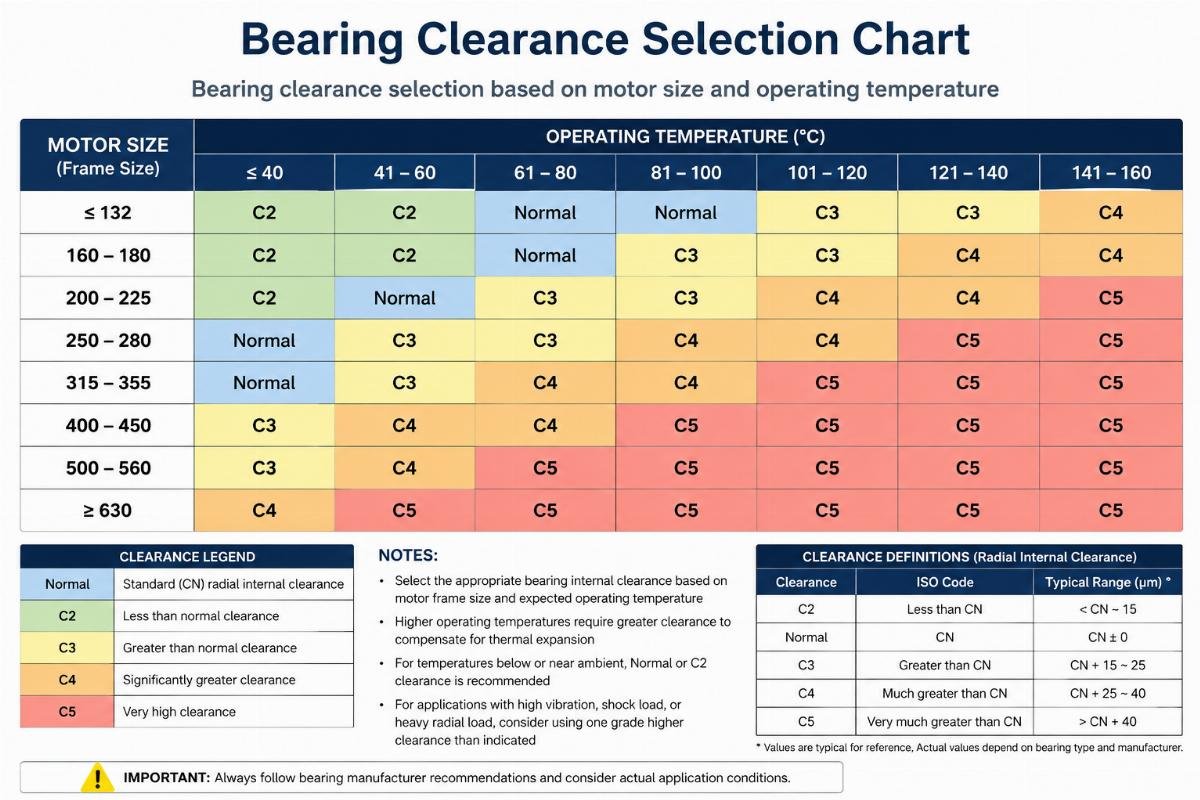
Verificação da Classificação de Velocidade{{ZKF_2}} – Garantir que a velocidade limite do rolamento exceda a RPM máxima do motor em 20%{{ZKF_3}}
Mapeamento de Temperatura{{ZKF_2}} – Documentar as temperaturas ambiente e de operação na carcaça do rolamento{{ZKF_3}}
Cálculo de folga{{ZKF_2}} – Ajustar a folga com base no aumento de temperatura e no ajuste por interferência{{ZKF_3}}
Compatibilidade de Materiais{{ZKF_2}} – Verifique a resistência do material a fluidos de processo e contaminantes ambientais{{ZKF_3}}
Quais Tipos de Rolamentos Funcionam Melhor para Diferentes Aplicações de Motores Elétricos?
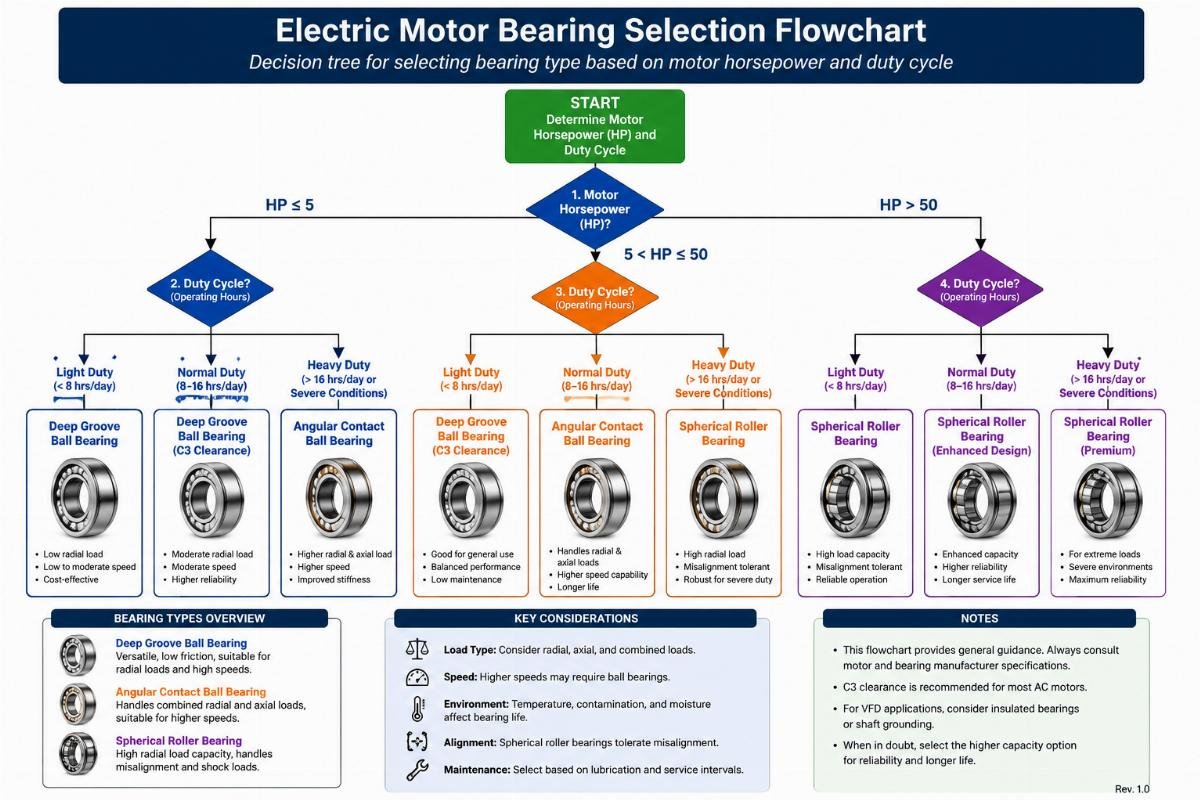
Os rolamentos de esferas de ranho profundo atendem 60% das aplicações gerais de motores elétricos, mas designs especializados abordam desafios de desempenho específicos. Compreender quando selecionar rolamentos de contato angular, rolamentos de rolos cilíndricos ou rolamentos de empuxo pode melhorar significativamente a eficiência e a vida útil do motor.
| Principais Vantagens |
|---|
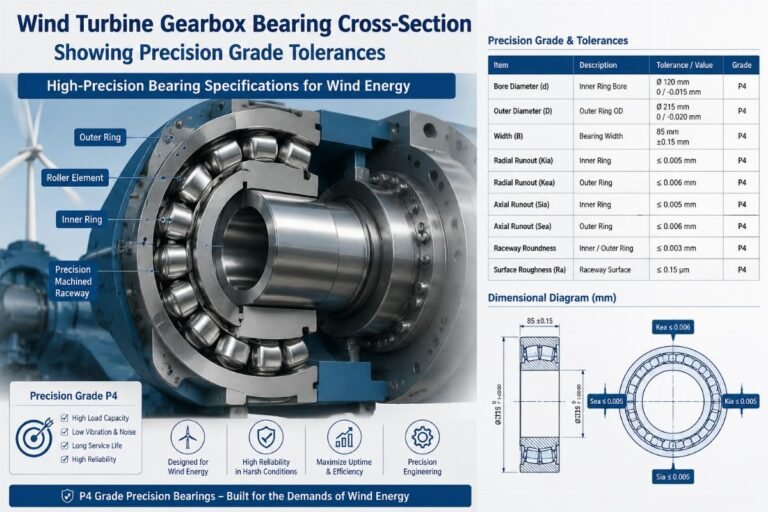
Nosso inventário de mais de 10.000 SKUs inclui todos os principais tipos de fabricantes líderes como {{ZKF_3}}, {{ZKF_4}}, {{ZKF_5}} e {{ZKF_6}}, bem como alternativas de qualidade para aplicações sensíveis ao custo. Para um OEM europeu de turbinas eólicas desenvolvendo novos sistemas de geradores, fornecemos 500 unidades de rolamentos de esferas de contato angular 7018 com elementos de rolamento cerâmicos {{ZKF_2}} e grau de precisão P4. Esses rolamentos híbridos personalizados permitiram uma qualificação bem-sucedida dentro do prazo de 6 meses e proporcionaram uma redução de 18% nos níveis de ruído do gerador em comparação com seu design anterior de rolamento de aço. A certificação IATF 16949 forneceu a garantia de qualidade necessária para seu rigoroso processo de qualificação.
-
Direção de Carga{{ZKF_2}} – Escolha rolamento de esferas de fundo profundo ou rolos cilíndricos para cargas radiais; contato angular ou de empuxo para componentes axiais{{ZKF_3}}
Requisito de Velocidade{{ZKF_2}} – Priorize rolamentos de ranho profundo ou de contato angular para aplicações de alta velocidade (>3600 RPM){{ZKF_3}}
Necessidades de Alinhamento{{ZKF_2}} – Selecione rolamentos de rolos esféricos para eixos desalinhados ou condições de montagem variáveis{{ZKF_3}}
Acesso para Manutenção{{ZKF_2}} – Considere rolamentos selados para aplicações com acesso limitado à manutenção{{ZKF_3}}
Otimização de Custos{{ZKF_2}} – Equilibre os requisitos de desempenho com o custo total de propriedade, não apenas o preço de compra inicial{{ZKF_3}}
Como Validar as Capacidades do Fornecedor de Rolamentos para Aplicações de Motores Elétricos?
A avaliação de fornecedores deve se concentrar na documentação de rastreabilidade, na capacidade de resposta do suporte técnico, na disponibilidade de estoque e na certificação de qualidade. Esses fatores impactam diretamente sua capacidade de manter a continuidade da produção e resolver problemas técnicos rapidamente.
Para prestadores de serviços de pós-venda que trabalham com equipamentos industriais vintage, recentemente apoiamos uma oficina que precisava cruzar referências de 20 rolamentos de motor obsoletos
Tags

Leave a Reply