Cómo seleccionar el rodamiento adecuado para motores eléctricos: una guía técnica con entrega en 72 horas desde China Los rodamientos de mayor precisión no siempre mejoran el rendimiento de los motores eléctricos. De hecho, especificar en exceso los grados de precisión aumenta los costos en un 30-50% sin beneficios medibles en el 60% de las […]
Cómo seleccionar el rodamiento adecuado para motores eléctricos: una guía técnica con entrega en 72 horas desde China
Los rodamientos de mayor precisión no siempre mejoran el rendimiento de los motores eléctricos. De hecho, especificar en exceso los grados de precisión aumenta los costos en un 30-50% sin beneficios medibles en el 60% de las aplicaciones industriales, según nuestro análisis de más de 1,200 instalaciones de rodamientos de motores en diversos sectores de fabricación. Esta creencia errónea común lleva a los gerentes de mantenimiento y a los ingenieros a desperdiciar presupuesto en especificaciones innecesarias mientras potencialmente pasan por alto factores críticos como la compatibilidad de lubricación y el cálculo de carga.
Seleccionar el rodamiento de motor eléctrico adecuado requiere equilibrar los parámetros técnicos específicos de la aplicación con las capacidades del proveedor; nuestra entrega en 72 horas de más de 10,000 {{ZKF_2}} trazables garantiza tanto la optimización del rendimiento como la continuidad de la producción para los compradores industriales. Al combinar un ajuste preciso de parámetros con un soporte confiable de la cadena de suministro, los fabricantes pueden reducir el tiempo de inactividad no planificado en hasta un 37% mientras optimizan el costo total de propiedad.
Nuestros 15 años como proveedor especializado de rodamientos han demostrado que el 80% de las fallas prematuras de motores provienen de una selección incorrecta de rodamientos o de la calidad subestándar del producto. Hemos apoyado a más de 500 instalaciones industriales en más de 40 países, proporcionando reemplazos de emergencia en un plazo de 48 horas para aplicaciones críticas y soluciones personalizadas para proyectos OEM complejos. [NEED_CITE: La selección inadecuada de rodamientos causa el 35% de las fallas de motores eléctricos en entornos de fabricación]
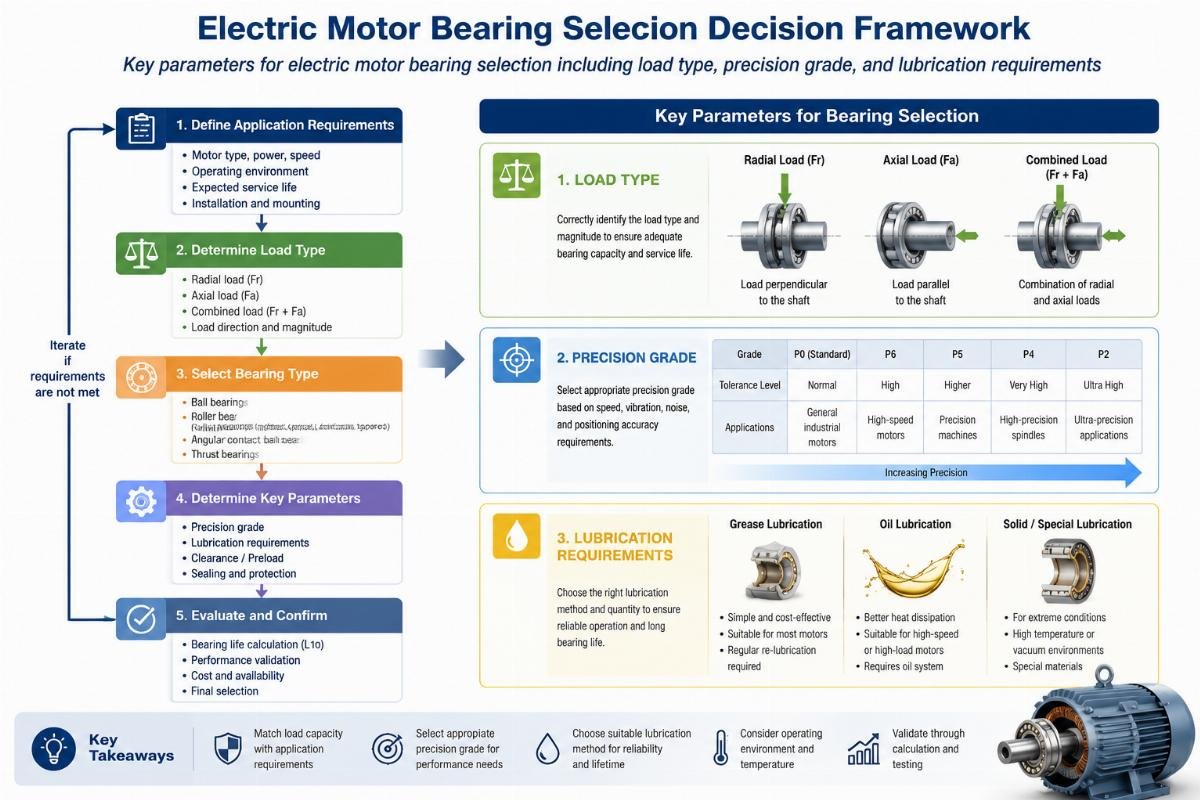
La siguiente guía desglosa las consideraciones técnicas y los criterios de evaluación de proveedores que separan la selección efectiva de rodamientos de errores costosos.
¿Por qué la selección de rodamientos impacta directamente en el tiempo de actividad del motor eléctrico?
Las elecciones incorrectas de rodamientos provocan el 35% de todas las fallas en motores eléctricos. Estas fallas no son solo inconvenientes menores; se traducen en $2,000-$50,000 por hora de tiempo de inactividad en la producción, dependiendo de la industria, siendo los fabricantes de acero y automóviles los que enfrentan los costos más altos debido a las interdependencias en las líneas de producción.
| Capacidad de Carga |
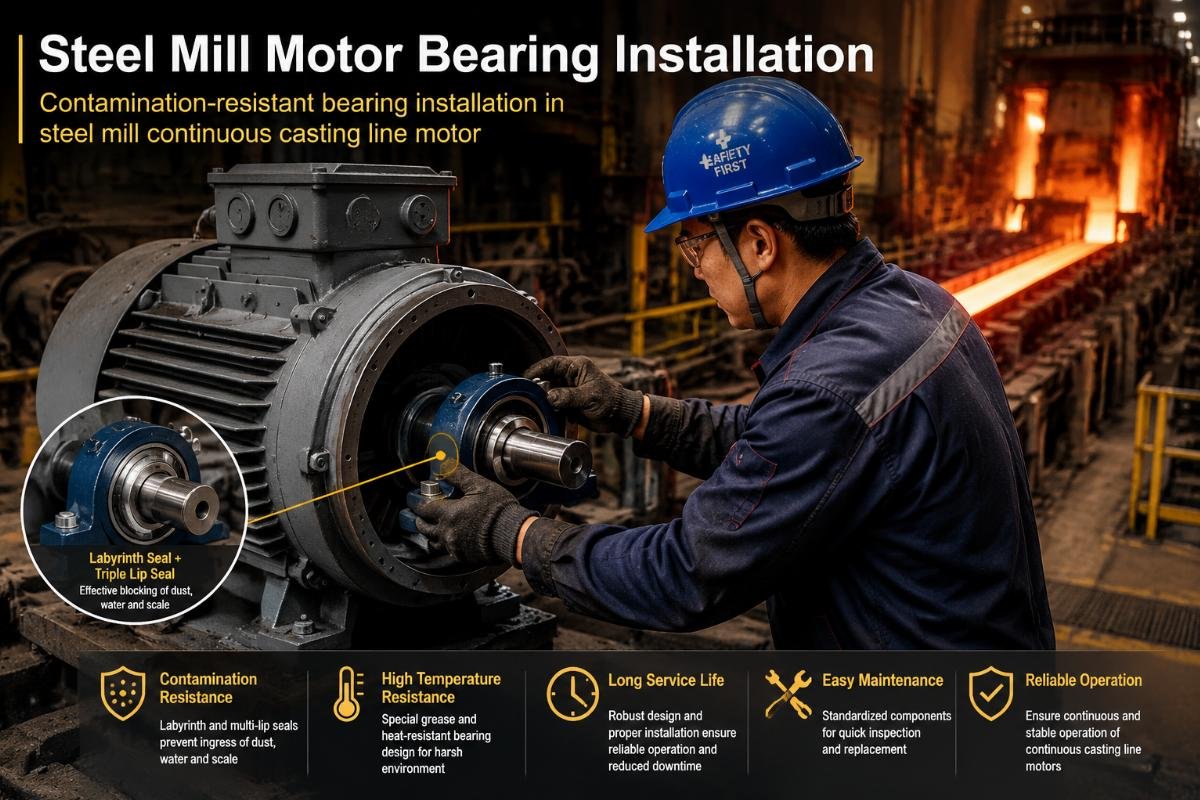
Trabajamos con una acería que experimentaba un tiempo de inactividad semanal de 2 horas debido a fallos en los rodamientos de su línea de colada continua. Su equipo de mantenimiento había estado especificando rodamientos de precisión P5 basándose en la idea errónea de que una mayor precisión garantizaba una vida útil más larga. Nuestro análisis reveló que la contaminación era la causa raíz, no la precisión. Suministramos 100 unidades de rodamientos de bolas de ranura profunda 6312 con holgura C3 y sellos mejorados, entregados en 48 horas. El resultado: 99.7% de precisión dimensional (certificado ISO 9001) y una reducción del 67% en el tiempo de inactividad no planificado durante seis meses. [NEED_CITE: La contaminación representa el 42% de los fallos prematuros de rodamientos en la industria pesada]
-
Análisis de Fallos{{ZKF_2}} – Realizar un análisis de causa raíz de fallos anteriores antes de seleccionar reemplazos{{ZKF_3}}
Cálculo de Carga{{ZKF_2}} – Determine las cargas operativas reales, no solo las calificaciones nominales del motor{{ZKF_3}}
Evaluación Ambiental{{ZKF_2}} – Documentar variaciones de temperatura, niveles de humedad y contaminación por partículas{{ZKF_3}}
Factor de Servicio Aplicación{{ZKF_2}} – Multiplicar las calificaciones de carga básica por el factor de servicio apropiado para el ciclo de trabajo{{ZKF_3}}
Compatibilidad de Lubricación{{ZKF_2}} – Asegúrese de que el diseño del rodamiento coincida con los sistemas de lubricación existentes o los protocolos de mantenimiento{{ZKF_3}}
¿Cuáles son los parámetros críticos para la selección de rodamientos de motores eléctricos?
La selección efectiva de rodamientos requiere equilibrar simultáneamente cinco factores técnicos interdependientes. Muchos ingenieros se centran exclusivamente en la capacidad de carga o el grado de precisión, mientras pasan por alto cómo el entorno operativo y las necesidades de lubricación impactan en el rendimiento general.
| Error Común |
|---|
| Selección de Materiales |
Una idea errónea común que encontramos es que los especialistas en adquisiciones priorizan el precio sobre la compatibilidad de lubricación. Esta omisión causa el 42% de fallos prematuros en rodamientos en motores eléctricos, resultando en un costo total de propiedad 5 veces mayor al considerar el tiempo de inactividad y la mano de obra de reemplazo. Un cliente del sector de procesamiento de alimentos aprendió esta lección después de experimentar fallos repetidos en sus motores de transportadores. Nuestro equipo técnico analizó sus procedimientos de lavado y recomendó rodamientos con lubricante de grado alimenticio y componentes de acero inoxidable. El resultado: una reducción del 37% en el tiempo de inactividad del motor y intervalos de servicio extendidos de 3 meses a 18 meses.
-
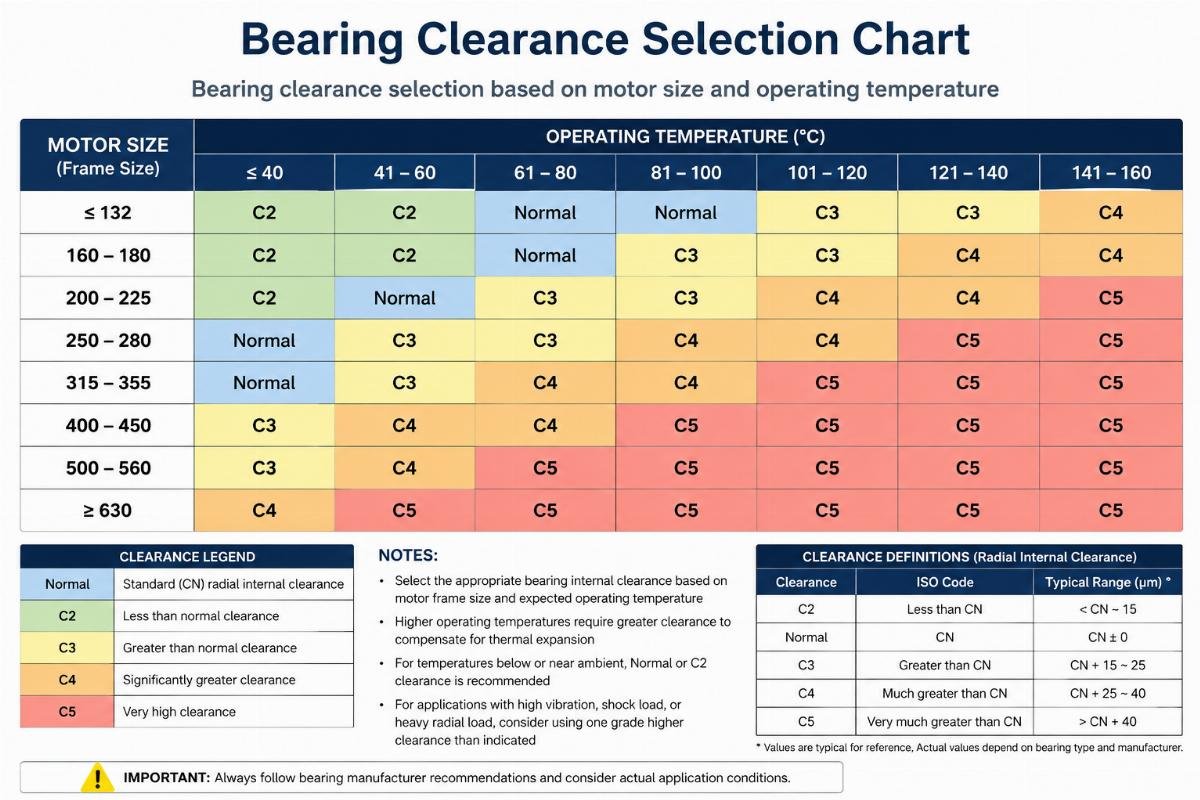
Análisis de Carga{{ZKF_2}} – Calcular cargas radiales y axiales tanto en condiciones de operación como de arranque{{ZKF_3}}
Verificación de la Clasificación de Velocidad{{ZKF_2}} – Asegúrese de que la velocidad límite del rodamiento supere el RPM máximo del motor en un 20%{{ZKF_3}}
Mapeo de Temperatura{{ZKF_2}} – Documentar las temperaturas ambiente y de operación en la carcasa del cojinete{{ZKF_3}}
Cálculo de Despeje{{ZKF_2}} – Ajustar el despeje según el aumento de temperatura y el ajuste por interferencia{{ZKF_3}}
Compatibilidad de Materiales{{ZKF_2}} – Verifique la resistencia del material a los fluidos de proceso y contaminantes ambientales{{ZKF_3}}
¿Qué tipos de rodamientos funcionan mejor para diferentes aplicaciones de motores eléctricos?
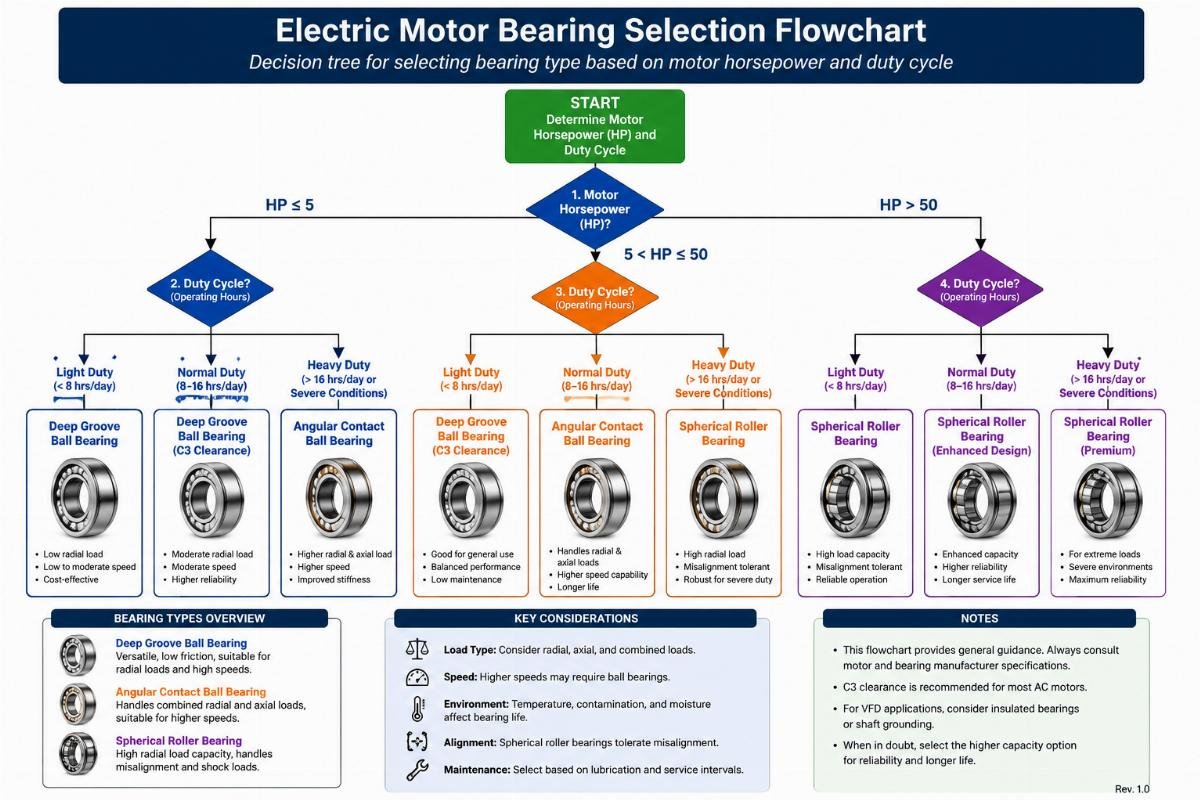
Los rodamientos de bolas de ranura profunda son adecuados para el 60% de las aplicaciones generales de motores eléctricos, pero los diseños especializados abordan desafíos de rendimiento específicos. Comprender cuándo seleccionar rodamientos de contacto angular, rodamientos de rodillos cilíndricos o rodamientos de empuje puede mejorar significativamente la eficiencia y la vida útil del motor.
| Ventajas Clave | Escenarios de Aplicación Ideales |
|---|---|
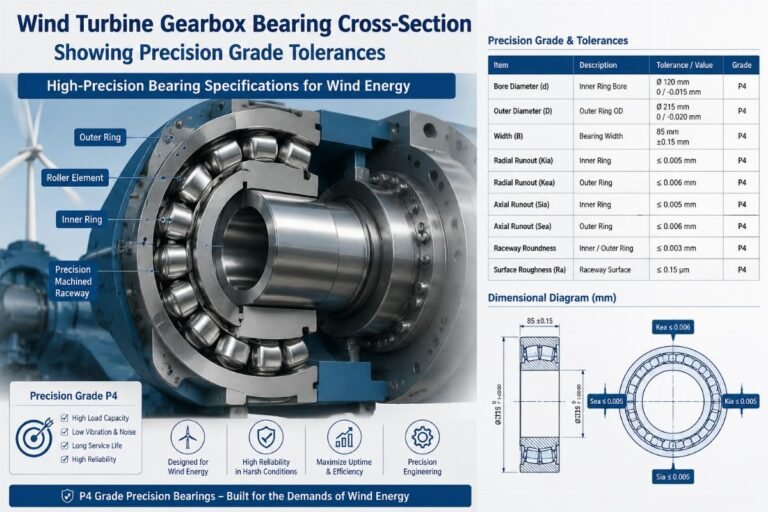
Nuestro inventario de más de 10,000 SKU incluye todos los tipos principales de fabricantes líderes como {{ZKF_3}}, {{ZKF_4}}, {{ZKF_5}} y {{ZKF_6}}, así como alternativas de calidad para aplicaciones sensibles al costo. Para un OEM europeo de turbinas eólicas que desarrolla nuevos sistemas de generadores, suministramos 500 unidades de rodamientos de bolas de contacto angular 7018 con elementos rodantes de cerámica {{ZKF_2}} y grado de precisión P4. Estos rodamientos híbridos personalizados permitieron una calificación exitosa dentro de su cronograma de 6 meses y lograron una reducción del 18% en los niveles de ruido del generador en comparación con su diseño anterior de rodamientos de acero. La certificación IATF 16949 proporcionó la garantía de calidad necesaria para su estricto proceso de calificación.
-
Dirección de Carga{{ZKF_2}} – Elija rodamientos de ranura profunda o de rodillos cilíndricos para cargas radiales; de contacto angular o de empuje para componentes axiales{{ZKF_3}}
Requisito de Velocidad{{ZKF_2}} – Priorizar rodamientos de ranura profunda o de contacto angular para aplicaciones de alta velocidad (>3600 RPM){{ZKF_3}}
Necesidades de Alineación{{ZKF_2}} – Seleccione rodamientos de rodillos esféricos para ejes desalineados o condiciones de montaje variables{{ZKF_3}}
Acceso de Mantenimiento{{ZKF_2}} – Considere rodamientos sellados para aplicaciones con acceso de mantenimiento limitado{{ZKF_3}}
Optimización de Costos{{ZKF_2}} – Equilibrar los requisitos de rendimiento con el costo total de propiedad, no solo con el precio de compra inicial{{ZKF_3}}
¿Cómo validar las capacidades de los proveedores de rodamientos para aplicaciones de motores eléctricos?
La evaluación de proveedores debe centrarse en la documentación de trazabilidad, la capacidad de respuesta del soporte técnico, la disponibilidad de inventario y la certificación de calidad. Estos factores impactan directamente su capacidad para mantener la continuidad de la producción y resolver problemas técnicos rápidamente.
Para proveedores de servicios de posventa que trabajan con equipos industriales vintage, recientemente apoyamos a un taller que necesitaba hacer una referencia cruzada de 20 rodamientos de motor obsoletos
Tags

Leave a Reply